If lockdown has taught us one thing it’s that we’re a great deal less change resistant than we might previously have believed.
Whilst video calling has seen a slow but steady rise since the turn of the century it’s never been universally accepted.
Until now…
In January 2020, video conferencing app Zoom, typically played host to 10 million meeting participants a day. Fast forward three months to April and that figure had risen to 300 million daily meeting participants as we moved out of the office and into the home.
But it’s not just Zoom.
In April, Microsoft Teams reported a 70 percent increase in daily active users adding 31 million people in just over a month. Microsoft owned Skype increased by a similar figure and whilst Facebook haven’t released official figures, as early as March Facebook CEO Mark Zuckerberg shared that WhatsApp and Messenger were seeing “big surges” in usage with voice and video calls on WhatsApp at double their normal volume.
Even internet search giant Google got in on the act by making its premium video conferencing product, Google Meet, free for all users whilst at the social end of the scale Houseparty downloads soared and TikTok, whilst not strictly a video conferencing platform, became a global household name practically overnight.
All around the world we’re jumping on to video on a daily basis as our preferred means of communication allowing us to keep in touch with friends, family, colleagues, clients and suppliers.
So, what does this mean for the future of the workplace?
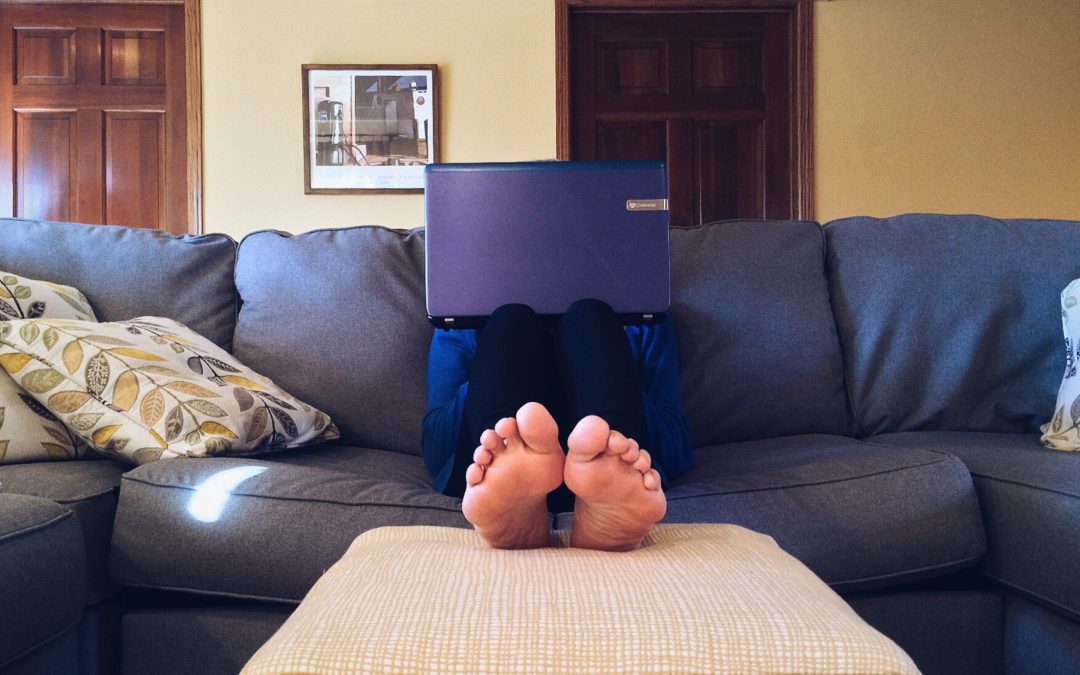
Since lockdown began, almost half the UK’s workforce [1] report they’ve been working from home all or some of the time and it would appear that not only do they like it [2] but their bosses do too.
Major internet corporations like Facebook, Twitter and Shopify have already announced sweeping changes to the way it manages it’s workforce accommodation with Mark Zuckerberg reporting that as many as 50% of Facebook employees could be working remotely within the next five to ten years [3].
But it’s not just internet focused businesses. More traditional businesses such as French car maker PSA are also getting in on the act announcing a “new era of agility,” in which its non-production staff will work remotely from now on [4].
Motivating factors behind this seismic shift in individual and corporate thinking range from improved work life balance, better health, additional family time and money saved on the daily commute to cost savings, increased efficiency and prosperity, a significant impact on the environment and the creation of a more broad-based economic prosperity.
Economics, by it’s broadest definition, underpins most of societal change. Ever since the birth of the industrial revolution organisations have sought new and better ways to function and this is just one of the latest manifestations of that desire.
Even the idea of remote working is nothing new. In the 90s the Harvard Business Review was promoting it’s future citing 1994 experiments at AT&T suggesting “the alternative workplace offers a profound opportunity to benefit both the individual and the enterprise” [5].
So if the desire for a new way of working has been around for a long time and the technology to make it happen from smaller more portable devices to cloud computing has been improving year on year what’s been stopping us?
Fear…
Fear of the unknown, fear of failure, a fear of losing control, fear of change.
It would appear that fear has met it’s match in a microscopic organism called Covid 19 which has done more in 3 months to change the way the world operates than politicians, industrialists, bankers and economists have achieved in 30 years.
Maybe in years to come historians will look back on this period in time not so much as the “Digital” or “Technological” revolution that we’ve feted for years but rather as the Coronavirus Revolution.
The real catalyst for change
Citations…
[1] https://www.ons.gov.uk/peoplepopulationandcommunity/healthandsocialcare/conditionsanddiseases/bulletins/coronavirustheukeconomyandsocietyfasterindicators/25june2020
[2] https://employeebenefits.co.uk/91-employees-option-work-remotely/
[3] https://edition.cnn.com/2020/05/21/tech/facebook-work-from-home-mark-zuckerberg/index.html
[4] https://www.bloomberg.com/press-releases/2020-05-06/groupe-psa-presents-its-new-principles-of-working-methods-in-a-responsible-approach-new-era-of-agility
[5] https://hbr.org/1998/05/the-alternative-workplace-changing-where-and-how-people-work